Garage door buying guide for Australia
Sectional, roller or tilt is a structural choice as much as a visual one. Wind region, BAL rating, insulation and the motor all belong on the same page.
Tom Ashford · Hardware and security · 14 May 2025 · 7 min read
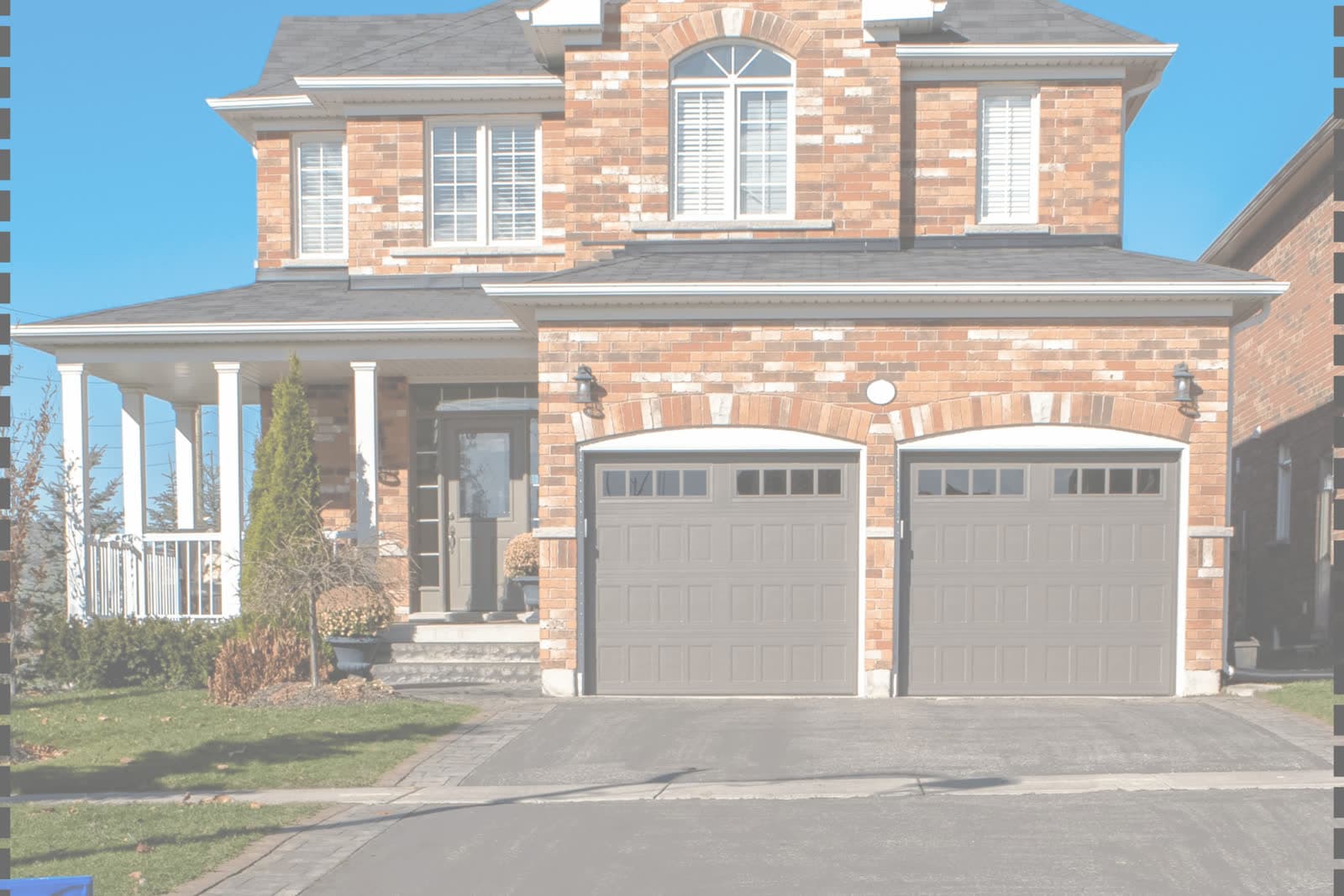
A garage door is the largest moving thing most houses own. It is also a wall, a lock, and, on a bushfire or cyclone site, a piece of regulated construction. Buy it as a doorset with a wind rating, not as a colour swatch.
I write this from Brisbane, where humidity, storms and salt air do more damage than a scrape from a towbar. The same logic holds in a Perth coastal suburb or a Melbourne brick veneer with a west-facing double opening.
The three common actions
Australian houses mostly buy one of three things.
Sectional doors lift in hinged panels and run back under the ceiling on tracks. They need headroom and a clear ceiling zone. They seal against the jamb more convincingly than a typical roller, they take insulation, and they can be clad to look like vertical timber or a flush plane. The springs and cables are the maintenance story.
Roller doors coil around a drum above the opening. They need less ceiling real estate and they are often the cheaper way to close a single garage. They also telegraph every dent, they are harder to insulate well, and a tired curtain in a windstorm is a noisy neighbour. Good rollers exist. Cheap ones advertise themselves at 2 a.m.
Tilt doors — the old one-piece leaf that swings out then up — still turn up on older houses and on some custom timber openings. They need a clear apron in front of the garage because the leaf travels outward as it opens. They can be handsome. They are also the doors most likely to be under-specified for a new motor and over-specified in nostalgia.
A side-hinged pair of timber garage doors belongs on a heritage lane or a small workshop. Budget for them as joinery, not as an automatic product.
Measure the hole and the room behind it
Do not order from the old curtain size. Measure the structural opening width and height, then the sideroom, headroom and backroom — the space beside, above and behind the opening that the tracks or the roll will occupy.
A double garage is not always a clean 4800 or 5100 millimetres. Steel columns, a brick return and a slab that is not level will eat the clear width. Sectional tracks hate a sloping ceiling with a storage loft that nobody mentioned. Roller drums hate a low lintel and a service door in the same wall.
Also look at:
- The apron. A tilt door or a badly set sensor will fight a steep driveway.
- The wall construction. A weatherboard garage and a double-brick garage take fixings differently.
- The door from the garage into the house. That leaf is often a fire door. Replacing the big door does not excuse losing the tagged closer on the small one.
Insulation, colour and the western sun
An uninsulated metal door on a western wall in Adelaide or the western suburbs of Sydney is a radiator. Insulation in a sectional panel will not turn the garage into a living room, but it takes the edge off and it cuts the boom of rain.
Colour matters more than people admit. A dark door in a hot climate works the finish and the glue lines harder. A very pale door shows every roller mark. Coastal chalking is a finish problem; ask how the coating is rated, not whether it “looks like Colourbond in the photo”. (It may well be a similar product. The point is the warranty for the site, not the brand story.)
If the garage is a workshop or laundry, treat the door as part of the thermal story. The NCC energy path does not vanish if that space is conditioned or shares a wall with a bedroom.
Motors, remotes and the temptation to over-automate
A motor is a matching problem. The door’s weight, spring balance and cycle rating come first. A motor that is merely “strong” on a poorly balanced door will die early.
Typical supply-only ranges for a domestic opener sit around $400 to $1,500. Belt drives are quieter than chain drives, which matters if a bedroom sits over the garage. Battery backup is worth having in storm country.
Do not buy a door from one place and a random motor from another unless someone competent is responsible for the pair. The safety features live in that pairing.
Wind regions are not a coastal curiosity
Australia’s wind regions, via the NCC and AS/NZS 1170.2, change what a large door is allowed to be. Region A covers a lot of the settled south. Region B is more demanding. Regions C and D — the cyclonic north and west — are a different product.
A roller or sectional that is fine on a still suburban street in Canberra may not be the door you want in Townsville or on an exposed Western Australian coast. Ask for the pressure rating that matches the site, the terrain and the height of the opening. “Heavy duty” is not a rating.
Cyclone regions also change how you think about debris and about what happens if the door fails. A garage that blows in can pressurise the roof. This is why the door is a structural conversation with the builder, not a weekend upgrade you choose from a colour chart after handover.
Bushfire, embers and the big opening
On a BAL-rated site the garage door is a wide ember path if it is treated as an afterthought. AS 3959 and the NCC will have something to say about seals, materials and any glazing in the panels.
The detailed specification sits in bushfire BAL ratings and door specification. The buying move is to take the BAL assessment to the door supplier before you pick a cedar-look skin with decorative glass lites. Some ratings will simply not accept that door. Others will, with the right seals and a tested system.
A gap under a tired roller curtain is an ember invitation. So is a pet door cut into a fire-rated wall. Do the boring seals.
Safety sensors are not a personality option
Automatic garage doors kill and injure people, mostly children, when the safety path is missing or has been taped over because it was “always beeping”. Photo-electric beams across the opening, a motor that reverses on obstruction, and a manual release you can actually find in a blackout are ordinary practice.
Walk the beams after installation. Walk them again after the door is serviced. If a storage box or a bin blocks a sensor, you do not have a sensor.
The relevant product standards for garage doors and large access doors — including AS/NZS 4505 — and the NCC’s safety expectations are the documents your installer should be able to name. If they cannot, find another installer.
What it costs, and what the quote should show
These are ranges, not a quote for your opening.
- Single roller, standard height, suburban wind region: often $800 to $2,500 installed.
- Double roller: often $1,500 to $3,500.
- Single sectional: often $1,500 to $4,000.
- Double sectional, better panels: often $2,500 to $6,000.
- Insulated, custom-clad, extra-wide or high-wind: $4,000 to $8,000 is common, and distinctive joinery goes higher.
- Motor and remotes: often $400 to $1,500 on top if not bundled.
- New lintel, slab packing or electrical: extra, and it should be itemised.
A useful quote names the door type, the wind rating, the colour system, the spring type, the motor, the sensor kit, the BAL path if any, and who is responsible for flashing the head. A quote that only says “double garage door white” is a brochure.
Lead times run from a week for a stock roller to many weeks for a custom sectional. Coastal powder-coat colours have their own queue.
Installation, service and the quiet failures
A garage door is only as good as the fixings in the lintel and the balance of the springs. Sectional springs should be wound by someone who does that for a living. Roller tension is the same warning in a different shape.
Service once a year is not fussiness. Listen for a new scrape. Watch whether the door stops level. On a salt site, wash the door as you would wash a window, and do not use a bucket of mystery solvent on a powder-coat.
The door that fails in a storm was usually already failing in the quiet months, a little more each week.
If the garage is attached, keep the house door on its closer and its tag. The big door can be perfect and the dwelling can still fail its fire separation because someone wedged the internal door open with a shoe.
Buy the garage door as climate, structure and safety first. The colour can be decided in the last meeting. The wind region cannot.
Frequently asked questions
- How much does a garage door cost in Australia?
- These are ranges. A basic single roller can start around $800 to $2,000 supply and install. A decent sectional door is often $1,500 to $6,000. Insulated or custom-clad doors, and wide double openings, commonly run $2,500 to $8,000 and up. Motors are often another $400 to $1,500.
- Sectional or roller for a coastal house?
- Both can work if the materials and the wind rating match the site. Rollers are compact overhead. Sectionals seal and insulate more easily. Near salt water, specify marine-minded coatings or a material that will not chalk in the first summer, and service the springs before they announce themselves.
- Do garage doors need a BAL rating?
- On a bushfire-prone site the garage door is part of the AS 3959 construction system. Ember seals, materials and glazing have to match the assessed BAL. A handsome cedar-look sectional that was never tested for that rating is a compliance problem, not a colour problem.
- Are safety sensors required on an automatic garage door?
- An automatic door that can crush a child or a pet is not a place to economise. Photo-electric beams and a motor that reverses on obstruction are ordinary, expected practice. Check the current NCC path and the door standard that applies to the product, and test the beams after every service.
Keep reading
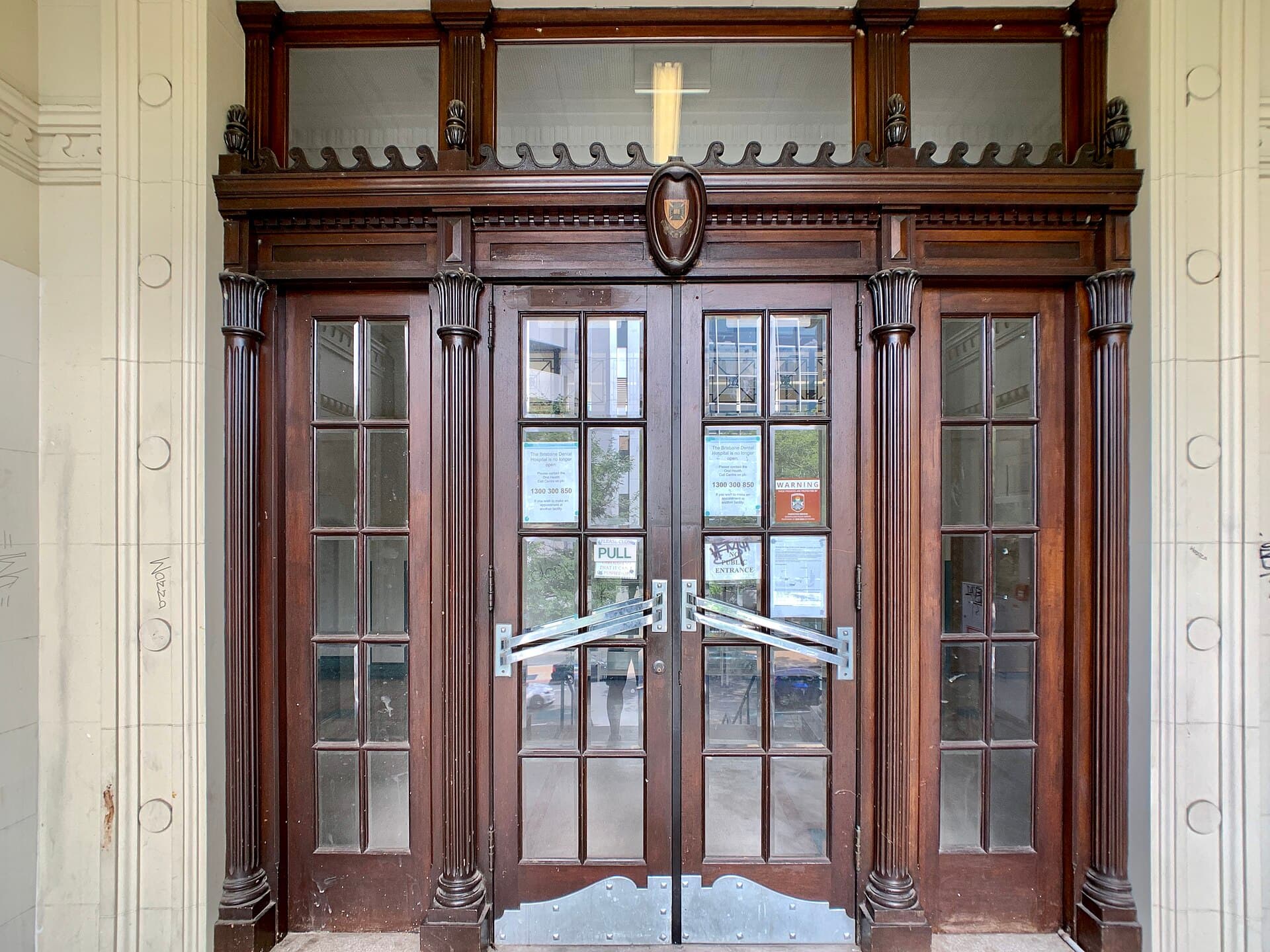
Fire doors for Australian homes and units
A fire door is a tested doorset under AS 1905.1, not a heavier internal leaf. The tag, the closer and the seals are the product.
Marcus Chen · 30 September 2025
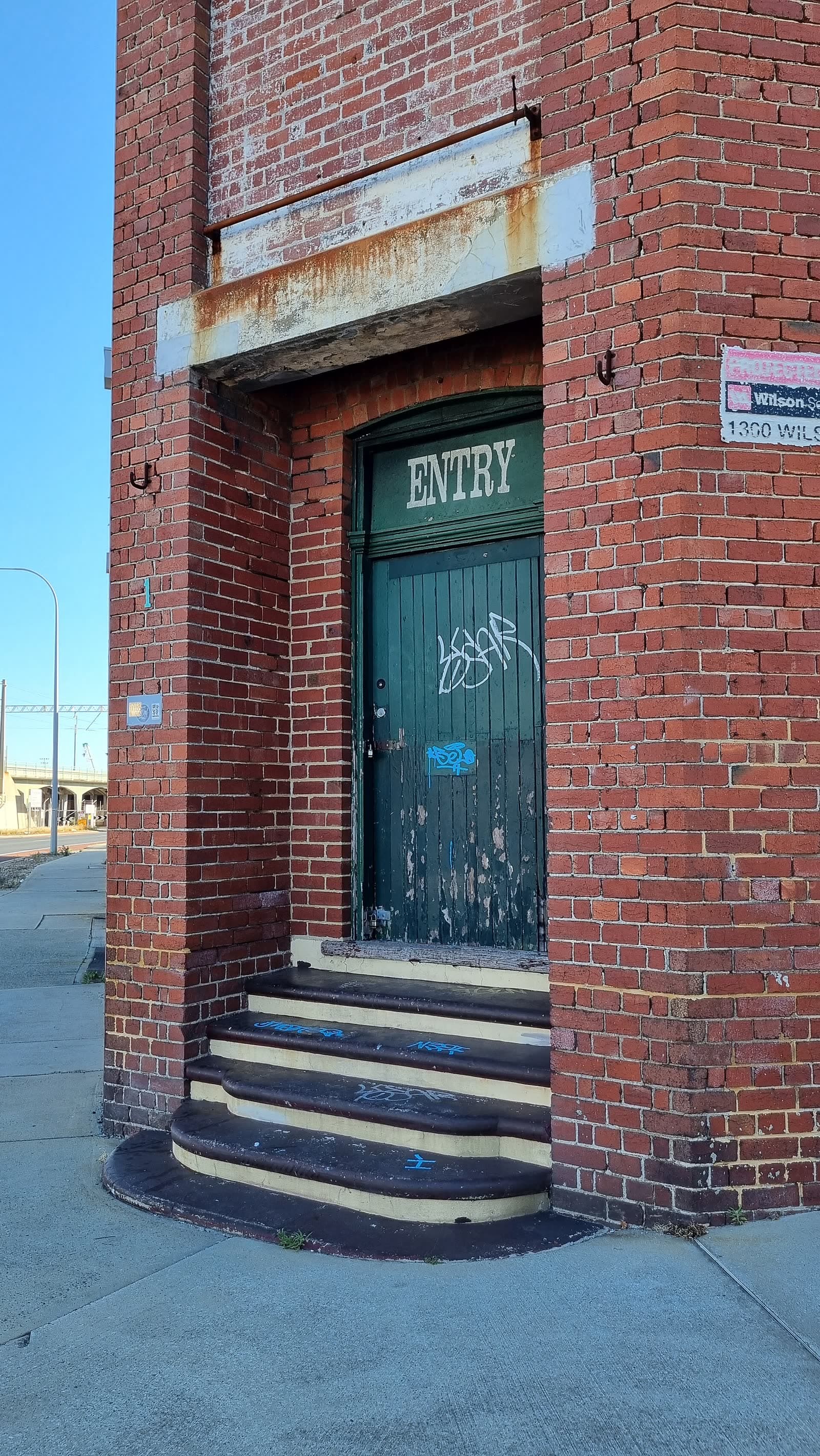
Security screen doors that actually work
A security screen is mesh, frame, hinges and a lock that an insurer will recognise. 316 stainless and a diamond grille are not the same product as a flywire door with a key.
Tom Ashford · 19 August 2025
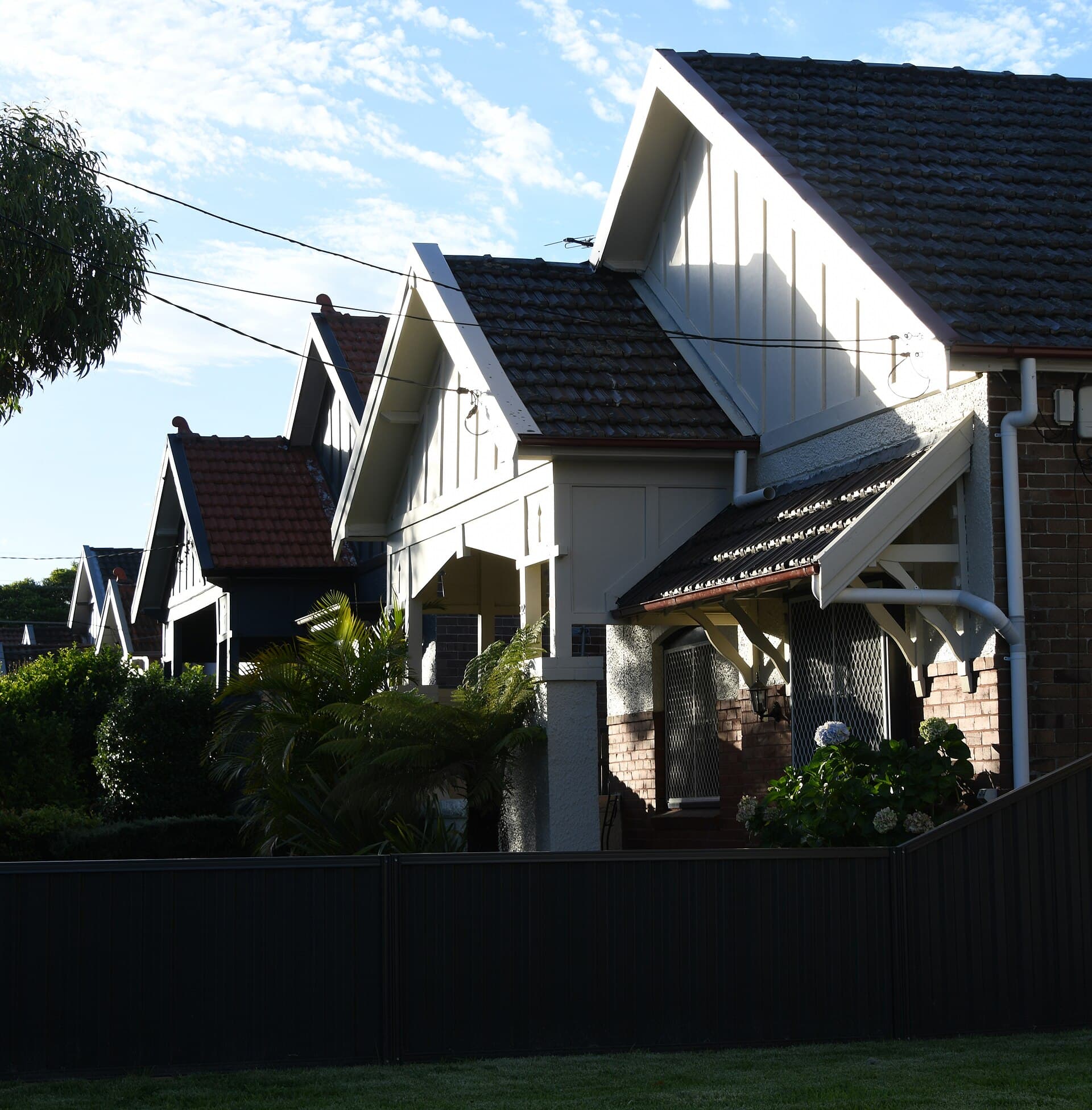
French and bifold doors for Australian living
French pairs and bifolds both open a room to the garden. They ask different things of the weather, the flyscreen and a heritage streetscape.
Priya Nair · 22 July 2025