Warped, sticking doors and humidity
Seasonal movement, planing, hinge packing and coastal humidity — why an Australian timber door binds in March and rattles in September, and what to do before you reach for a plane.
Elena Vukovic · Building editor · 14 August 2025 · 7 min read
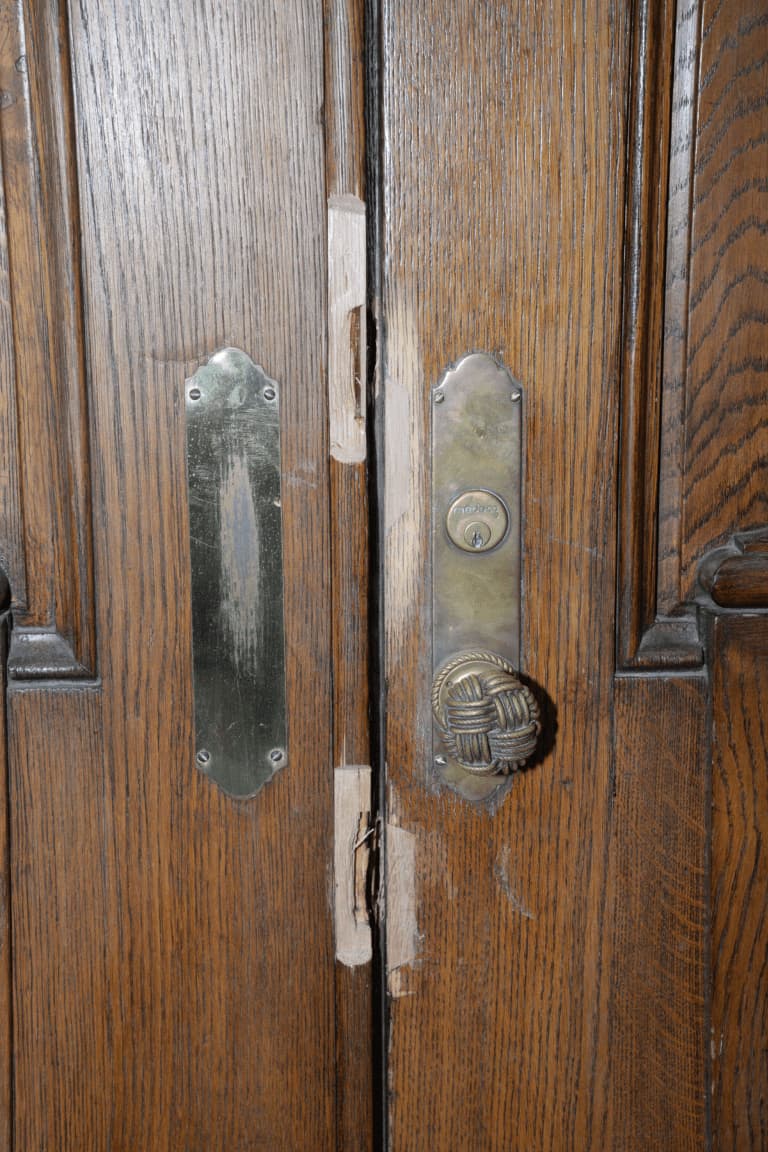
A door that sticks is not always a bad door. It is often a correct piece of timber in a climate that changes its mind. Australian houses run from a Darwin wet season to a Canberra frost, sometimes in the same family of joinery. Moisture enters the leaf. The leaf gets wider, or cups, or drops on tired hinges. Someone planes the lock stile in February. In September there is a 4 millimetre gap and a whistle.
This is a diagnosis note. Painting and finishing exterior timber doors is the membrane. This is the movement underneath it.
What the leaf is doing when it “warps”
Timber moves across the grain as its moisture content changes. A stile is a length of grain. A panel is a wider piece trying to grow and shrink inside a frame. A slab is a sandwich that will cup if one face is wetter or hotter than the other.
The word warp covers several shapes, and they have different causes:
- Cup. The faces disagree. One side is finished, one is not; one side is a hot west wall, the other an air-conditioned hall; one side takes a leaking verandah.
- Bow. The leaf curves along its height. Hinge-side settlement and a heavy lock rail can look like a bow.
- Twist. One corner is out. Two-hinge hangings on a 2100 millimetre leaf do this for a living.
- Swell. The whole leaf is fatter. Humidity, a wet bottom rail, a shower that steams an internal.
Hollow-core internals swell less and crush more. A cardboard honeycomb does not cup like cedar; it bruises at the strike and then tears. Engineered entries were invented to stay flatter. They still swell at a raw edge and they still cup if you paint one face and leave the other in primer.
A steel or aluminium door that “warps” is usually a frame out of square, a closer fighting a bind, or heat expanding a dark leaf in a tight rebate. Treat that as a different job.
Season, climate zone and the calendar on the stile
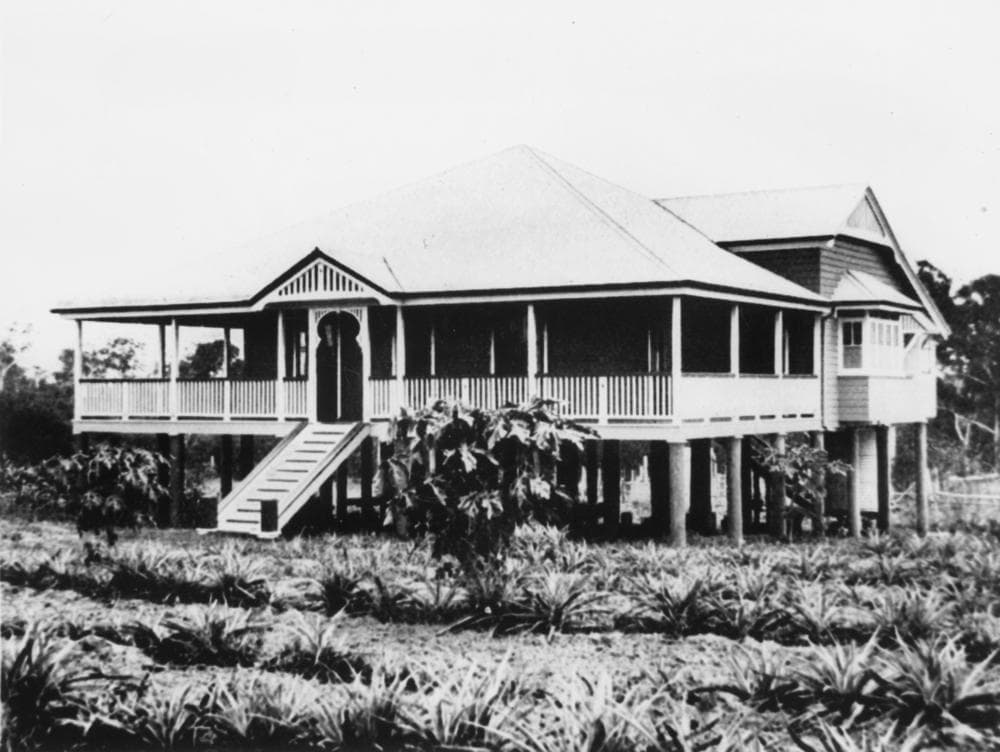
Climate zones 1 and 2 — the tropical and subtropical coasts — give you a wet season and a dry season you can set a clock by. Doors bind toward the end of a humid summer. They rattle in August. A Queenslander hallway is a textbook.
Zones 5 and 6 — much of Sydney, Perth, Adelaide, Melbourne — give you a wet winter or a stormy week, then a dry, hot spell. The bind may be July in a closed house, or a January west wall that has cooked the outer face.
Cooler interiors add heating. A heat pump dries the room. The leaf shrinks, then the autumn rains arrive.
Coastal humidity is a steady load. The air is wet even when it is not raining. Salt rides with it and seizes the hinge that would have let you diagnose the movement. Inland humidity can be a spike: a week of northerlies, a flood smell, then a southerly that feels like another climate.
None of this is a defect in a solid-timber door. It is the material. The defect is a one-sided finish, a leaking head, or a plane used as a first resort.
Diagnose before you cut
Stand with the leaf almost closed and look at the rebate. A torch helps.
- A bind at the head on the lock side, with a gap at the sill on the same side, is often a dropped leaf. The top hinge has loosened or the screws have chewed the jamb. Tighten, use longer screws into the stud, pack the hinge. Do not plane the head yet.
- A bind along the lock stile, even top to bottom, is often swell or paint build-up. Check the weather. Check how many coats are on the edge.
- A bind at one corner only can be twist or a frame that is no longer square. Measure the diagonals of the opening.
- A face that kisses the stop in the middle and gaps at the corners is a cup. Finish both faces; look for heat or a vent.
A cheap moisture meter on the stile and on an internal door in the same house will tell you if this leaf is the wet one. It will not tell you a legal number. It will tell you a comparison.
Hinge packing — thin shims behind a hinge leaf — can pull a lock stile in or out a millimetre or two. It is a carpenter’s adjustment. A stack of card is a frame problem. Three hinges are the minimum on a house door of any substance; two hinges on a tall leaf will imitate warp forever.
HVAC is a frequent villain in new houses and apartments. A supply vent aimed at an entry or a bathroom door dries one face. A laundry without exhaust wets the other. Move the air, not only the timber. A door closer that was set in a dry week will slam when the seals swell. Adjust it. Do not take it off.
Planing, and the manners of a plane
Sometimes you do cut. A leaf that was hung fat, a strike that was placed for a different door, a century of enamel on a Federation edge — these are not seasonal.
If you plane:
- Mark the high spot with chalk or lipstick on the stop, not from memory.
- Remove the leaf if you are taking more than a whisper. End grain at the top and bottom needs to be resealed immediately.
- Take little. A millimetre is a lot on a lock stile. You can take more later. You cannot put it back in September.
- Stay off an engineered skin if you can. Once the veneer or the high-density face is through, the core will take moisture like a biscuit.
- Prime and paint the fresh timber the same day. A raw edge overnight on a coastal verandah is a wet edge.
- Move the strike or deepen the rebate if the lock is the only thing kissing. Planing a whole stile to save a keep is backwards.
Fire doors are not for the plane. The gaps are part of a tested doorset under AS 1905.1. Planing a tagged edge can take the tag off with the shavings. If a fire door binds, call someone who will read the installation notes.
Heritage leaves deserve the same pause. A four-panel door that binds may want a floating panel freed from paint, not a narrower stile. Repair is a different essay; movement is allowed.
Houses that make doors worse
A few Australian habits manufacture sticking doors.
Unsealed edges. The top and bottom are left raw because they do not show. They show as swell.
One-sided renovation. The outside is painted in a dark contemporary colour. The inside is left in tired acrylic. The leaf cups toward the sun.
Wet walls. A leaking valley, a shower with no fan, a concrete slab that still smells like the pour. The bottom rail is a wick.
Tight contemporary reveals. A 2 millimetre shadow gap looks handsome in a magazine. It does not survive January in a weatherboard. Leave clearance the maker names, then seal.
Screens and extra leaves. A security door and an entry leaf in one opening share air and water. If the screen holds a wet mat against the sill, both doors suffer.
Salt. Coastal hinges seize partly open. The leaf then hangs out of plane and wears a groove in the head. Free the hinge. Specify 316 next time.
The NCC and an insurer do not grade your plane work. They do care if you remove a deadlock’s bite, a fire seal, or a BAL ember strip. Put back what you took, or stop.
A calm order of operations
Work through the list once, in this order, before you buy a new leaf.
- Open and close at two times of day, and in two kinds of weather if you can wait.
- Check hinge screws, pin wear, and whether a third hinge is missing.
- Check the frame for square and for a jamb that has moved with the house.
- Compare moisture with another door. Look for leaks and vents.
- Equalise the finish on both faces and all six edges.
- Pack or adjust before you cut.
- Plane the least you can, in a milder week, and reseal the same day.
- Reset the strike, the closer and the seals so the lock still throws.
A plane is a sharp way to record a humid month. Use it last.
Movement is the timber doing what timber does in this country. Give it finish, clearance and hinges, and cut only the swelling that will not go home. If the leaf is rotten or twisted beyond a pack, that is a replacement conversation. Until then, treat the bind as information.
Frequently asked questions
- Should I plane a sticking door in summer?
- Not first. Timber is often at its fattest in a humid month. Plane it then and the leaf can rattle when the air dries. Find the high spot, check the hinges and the moisture, and wait for a milder week if the bind is seasonal.
- Why does my door stick after we run the air-conditioner?
- One face is being dried or cooled while the other sits against a humid verandah or a wet wall. The leaf cups. Seal both faces equally, ease the closer, and stop the vent blowing on the door if you can.
- Can an engineered door warp?
- Yes, if the skin is broken, the finish is one-sided, or the core gets wet. Engineered leaves are more stable than a careless solid slab, not immune. A soaked bottom rail will still swell.
- Is coastal humidity worse than an inland wet winter?
- It is different. Coastal air is a steady moisture load plus salt. Inland winters can be a sudden wet followed by a dry southerly. Both move timber. The coast also rusts the hinge that would have let the leaf settle.
Keep reading

When to repair or replace a front door
Rot, delamination, failed seals and heritage value — the cost crossover where an Australian front door stops being a repair and starts being a doorset.
Door Sales editorial · 6 November 2025
Replacing a front door in weatherboard and brick
Reveals, flashings, brick ties and weatherboard scribers — how to swap an Australian entry without leaving a week of weather in the hallway, or a gap the overlay will notice.
Elena Vukovic · 18 September 2025

Painting and finishing exterior timber doors
Prep, oils versus paint, ultraviolet and recoating cycles — how an Australian timber entry survives a west wall, a south porch and the salt it cannot see.
Door Sales editorial · 5 December 2024