Contemporary Australian entry design
Pivot blades, recessed porches and the lighting of a house number — how a contemporary Australian front door balances privacy, weather, BAL and the street.
Priya Nair · Heritage and style · 10 July 2025 · 7 min read
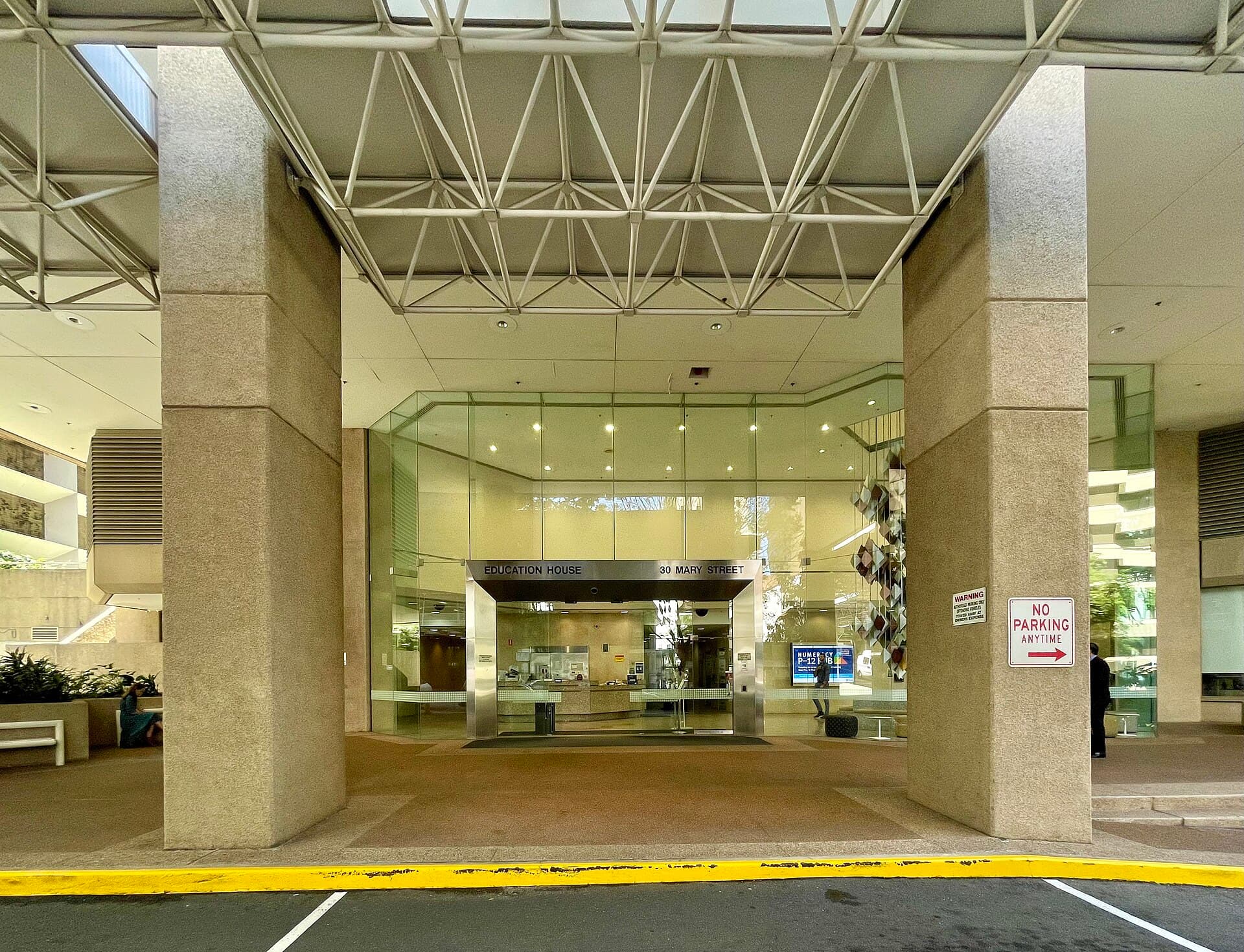
A contemporary Australian entry is often asked to do a Victorian job in a quieter voice: mark the threshold, keep the weather out, let a person in, and not tell the entire street what is on the hall table. The tools have changed — pivot blades, recessed porches, a number the size of a dinner plate. The climate has not.
The lock still matters. So does the National Construction Code, a BAL rating, and the habit Australian houses have of facing west because that is where the view is. Design that ignores those facts is a rendering.
If you are still choosing the leaf itself — species, thickness, swing — start with how to buy an entry door in Australia and come back when the elevation is the question.
The street, and the privacy people pretend they do not want
Australian front doors used to announce. A Federation four-panel, a path, a pair of hydrangeas. Contemporary houses often hide. A garage dominates. The entry is a slot at the side, or a dark recess, or a pivot so flush it reads as cladding.
Both instincts can be polite. The rude version is a full-lite door aimed at a sofa, with a number too shy to read and a sensor light that blinds the neighbour. The other rude version is a fortress: no glazing, no number, a camera where a highlight used to be, a leaf that says go away in powdercoated charcoal.
Privacy is a plan, not a tint.
- A solid leaf with a sidelight or a highlight gives light without a portrait of the hallway.
- A door set at ninety degrees to the street, in a recess, lets you open it without performing.
- Slatted screens and a garden wall do more than mirror film, and they weather more honestly.
- Internal planning matters. If the first thing through the door is a kitchen bench, the street will eventually see the dishes.
Heritage overlays on a contemporary rear pavilion are usually kinder than overlays on a street elevation. If the front is an old house, the new door at the back can be a blade. If the front is the new house in a conservation area, council may still want to recognise a door. Ask before the pivot is in the drawing.
Recessed porches, verandahs and the weather joint
A flush entry on an unsheltered wall is a maintenance schedule. Driving rain hits the head. Western sun cooks the finish. A dark pivot becomes a radiator. Coastal salt sits on the furniture because there is no verandah to break the wind.
A recessed porch — even a metre of roof and two returns — changes the physics. The leaf stays drier. The number can be lit without lighting the bedroom. A person can stand out of the rain with a bag of shopping. This is not nostalgia. It is why older Australian houses lasted.
Depth matters. A 300 millimetre nib is a shadow line, not a porch. A metre starts to work. A real verandah, even a short one, is still the best piece of door hardware you can specify. Out-swing leaves need that space or they hit the visitor. In-swing leaves need it or they take the weather on the rebate.
The National Construction Code treats the entry as fabric. Flashings, a sill that drains, and a threshold that meets the Livable Housing path if that path applies are not decorations. A beautiful recess with a ponding slab is a wet recess. Fall the floor out. Drain it. Do not hide a leaking box gutter behind a feature soffit and then blame the door.
Bushfire design likes some of the same geometry. A recess can reduce ember attack on the rebate. It can also become a leaf-filled tray if nobody sweeps it. Metal screens, ember seals and a tested doorset still have to match the BAL. A charcoal blade under a timber soffit is not a system.
Pivot blades, slabs and the weight you will live with
The contemporary Australian leaf is often a slab: flush, tall, sometimes wider than 920 millimetres, sometimes a pivot that is more wall than door. Timber, metal-clad timber, aluminium, a compressed laminate. The look is calm. The ironmongery is not casual.
Pivots hang from head and floor. The floor spring or pivot set has to live in a pocket that was planned with the slab and the tiler. A wide offset blade needs a closer that can latch a seal without slamming, and a meeting stile that is a weather joint, not a designer gap. Walk the swing. A blade that looks effortless in a photograph can flatten a pot plant and a person.
Hinged slabs are simpler to weatherproof and easier to hang in a weatherboard or brick opening. Three hinges at least; four on a tall solid leaf. A hidden closer in the head can keep the elevation quiet. It still has to be sized.
Glazing in a contemporary entry is usually a slot, a sidelight, or a full-height pane beside a solid blade. AS 1288 still applies. Grade A safety glass belongs where a person can meet it. A frameless pane on a west wall in Perth is a heater. Specify low-e or shade, not just clarity.
Dark colours are the contemporary default and the coating’s enemy. Ultraviolet and heat age paint, powdercoat and the seals. A recessed porch makes dark possible. An unsheltered west wall makes it a recoating cycle.
Lighting, numbers and the ambulance test
A house number is a piece of wayfinding. It is also how a guest, a delivery and an ambulance find you at 11 p.m. in a street of charcoal recesses.
Put the number where it can be read from the kerb, lit, and not hidden by a bank of meters. On the door is fine if the door faces the street. On a side-entry house the number belongs on the fence or a blade wall, with a second mark at the actual leaf. Brass digits on a dark pivot, unlit, are a riddle.
Lighting should do three jobs and no more:
- Mark the number and the tread so a person does not fall.
- Light a face at the door without turning the recess into a stage.
- Avoid a floodlight that makes the glazing a television for the street.
Warm, low fittings under a soffit beat a security flood that trips when a possum walks past. Interior lighting at night is the privacy problem you designed the solid leaf to avoid.
Letterboxes and meters crowd contemporary fronts. Give them a bay.
Hardware that does not spoil the elevation
Contemporary ironmongery likes to disappear: flush pulls, magnetic closes, a pivot with no visible rose. Disappearing is fine until the insurer asks for a deadlock, the fire schedule asks for a closer, or a coastal winter seizes a cheap black coating.
Specify the lock as a lock. A magnetic latch is not a deadlock. A smart handle can sit on a rated mortice. Restricted cylinders and door locks that meet Australian insurance are not a change of style; they are a change of conversation after a break-in.
Finishes on a contemporary charcoal house are usually black, graphite or stainless. On a coastal block, that finish has to be PVD, a rated powdercoat or 316, not a painted zinc from a warehouse. The hardware-finishes essay is the longer coastal version. The design version is: the pull is part of the elevation, and rust is a very honest detail.
Access is a design constraint, not an afterthought. An 820 millimetre clear opening, a threshold a wheelchair or a pram can use, and a closer that a person can operate are now ordinary in new Class 1 work where the Livable Housing Design Standard applies. A 1200 millimetre pivot that takes a gymnasium to open has failed that brief while looking generous.
A contemporary specification, in daylight
Draw the street first. Then the weather. Then the leaf.
- A recess or verandah with real depth, drained, lit, and swept.
- A leaf you can identify as a door from the kerb, with a number that works at night.
- Privacy by plan and solid, not only by film.
- Pivot or hinge chosen with the floor, the seals and the swing, not only the rendering.
- Glass placed for light and safety, not for a photograph of a hallway.
- Locks, closers and finishes that survive salt, sun, insurance and any BAL.
- A threshold that meets the NCC path that applies, without a hidden step in dark tiles.
A door that cannot be found at night is not mysterious. It is inconsiderate.
Contemporary Australian entries are at their best when they are calm, dry and obvious. The blade, the recess and the number are enough of a gesture. Let the street have a door it can recognise, and let the hallway keep its privacy.
Frequently asked questions
- Is a pivot door a good front door in Australia?
- It can be, if the floor, seals, closer and bushfire or access path are designed as a system. A wide blade on generic pivots with an 8 millimetre shadow gap is a wind tunnel. Buy a tested doorset when BAL or energy ratings matter.
- Do I need a recessed porch on a modern house?
- You need weather protection. A recess, a verandah, or a real roof overhang does more for an in-swing leaf than a more expensive finish. A flush door on a west wall in Adelaide will record every summer.
- How do I keep a contemporary entry private from the street?
- Recess the door, angle it, use a solid leaf with a sidelight that does not aim at the hallway sofa, and light the number rather than the living room. Privacy film is cheaper than regretting a full-lite slab.
- Should the house number sit on the door?
- Only if the leaf is obvious from the kerb at night. Numbers belong where a visitor and an ambulance can read them — the fence, the recess wall, a lit blade — without hunting a dark pivot.
Keep reading
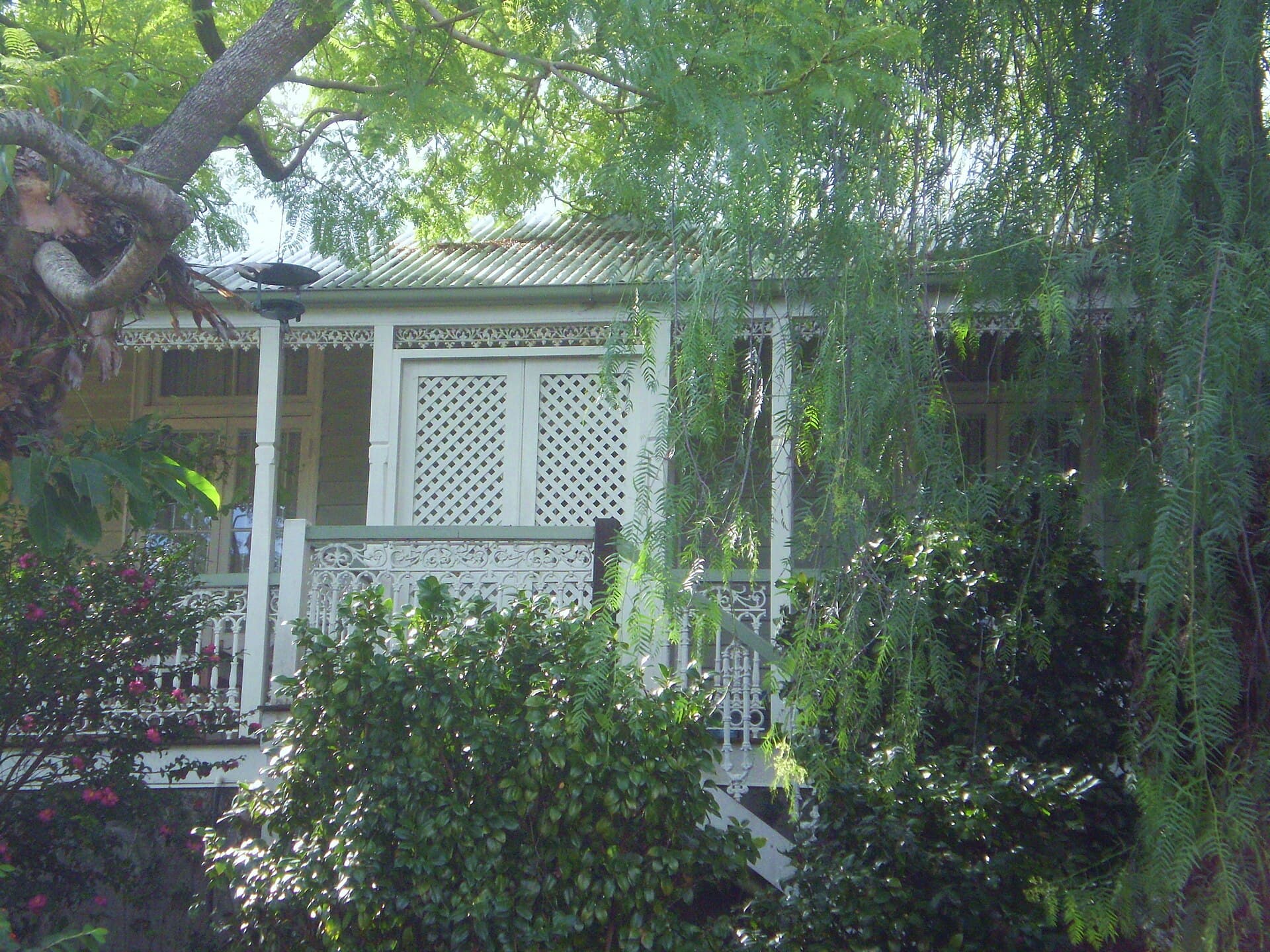
Queenslander lattice and screen traditions
Lattice, hopper windows and screen doors on a high-set verandah — how Queensland houses manage airflow, termites, salt and the habit of living outside the hall.
Priya Nair · 15 May 2025
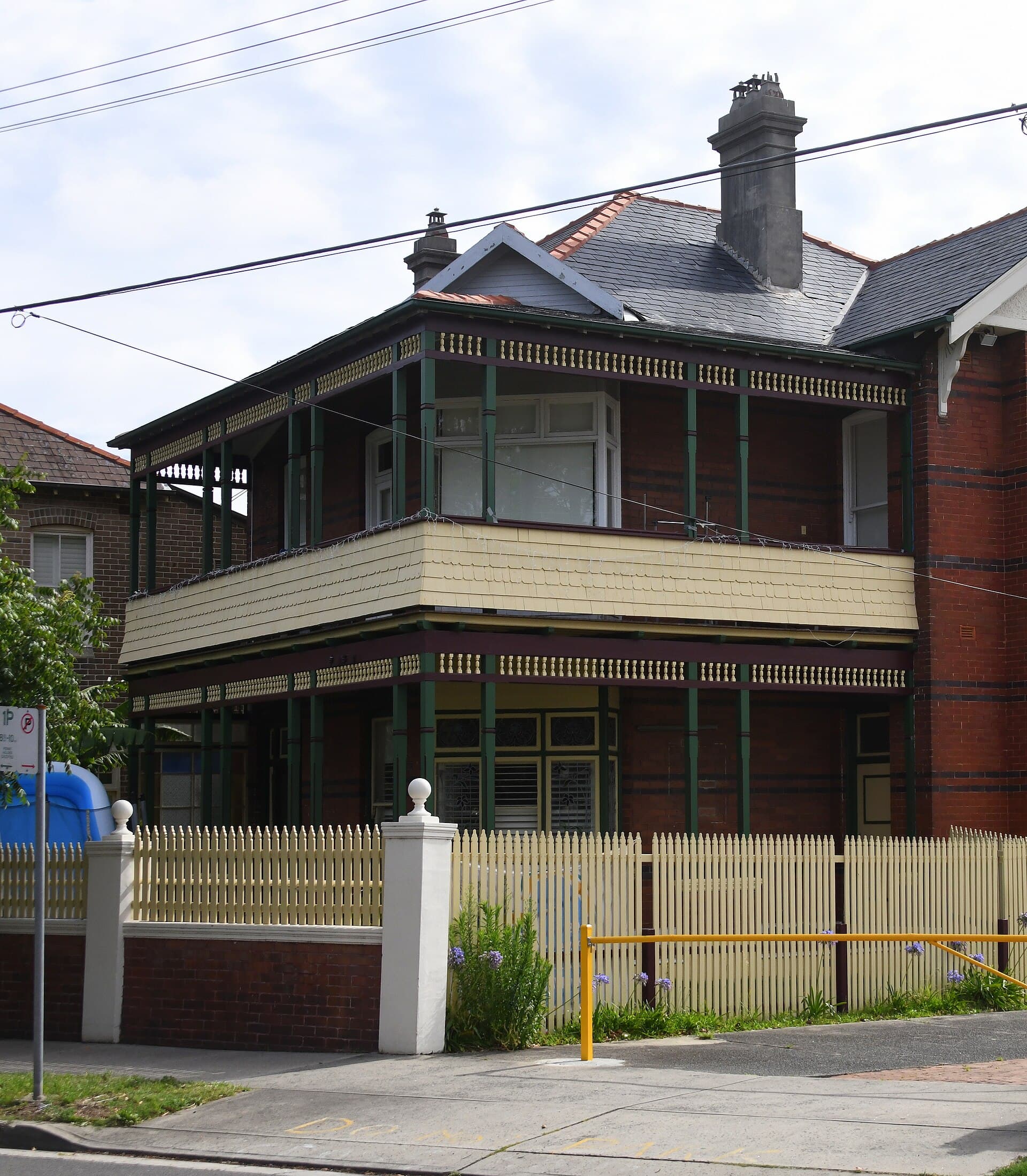
Federation and Victorian door restoration
Four-panel leaves, highlights and leadlight under heritage overlays — when to repair an Australian Victorian or Federation door, and when a reproduction is the honest job.
Priya Nair · 3 April 2025
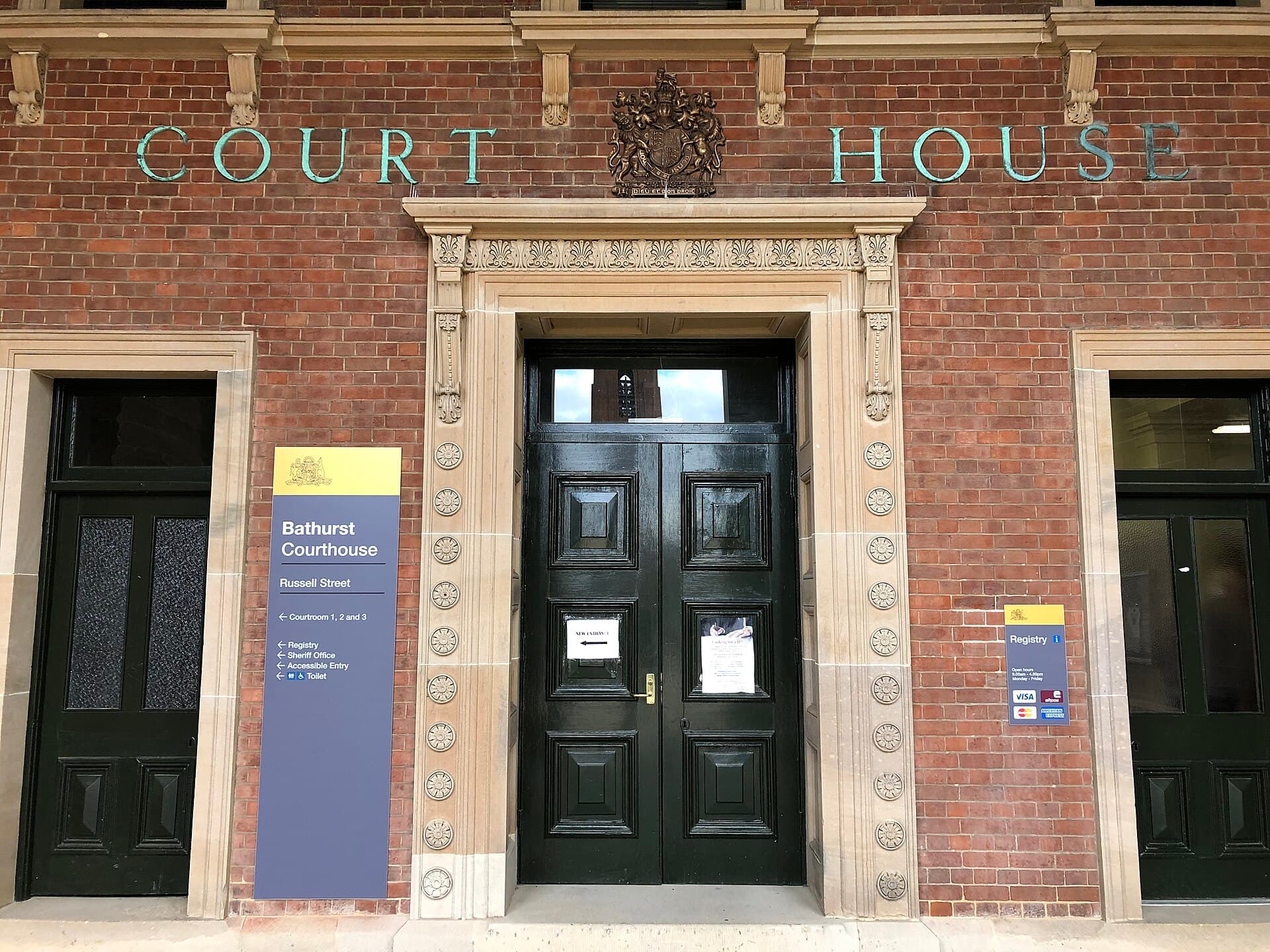
When to repair or replace a front door
Rot, delamination, failed seals and heritage value — the cost crossover where an Australian front door stops being a repair and starts being a doorset.
Door Sales editorial · 6 November 2025