Federation and Victorian door restoration
Four-panel leaves, highlights and leadlight under heritage overlays — when to repair an Australian Victorian or Federation door, and when a reproduction is the honest job.
Priya Nair · Heritage and style · 3 April 2025 · 7 min read
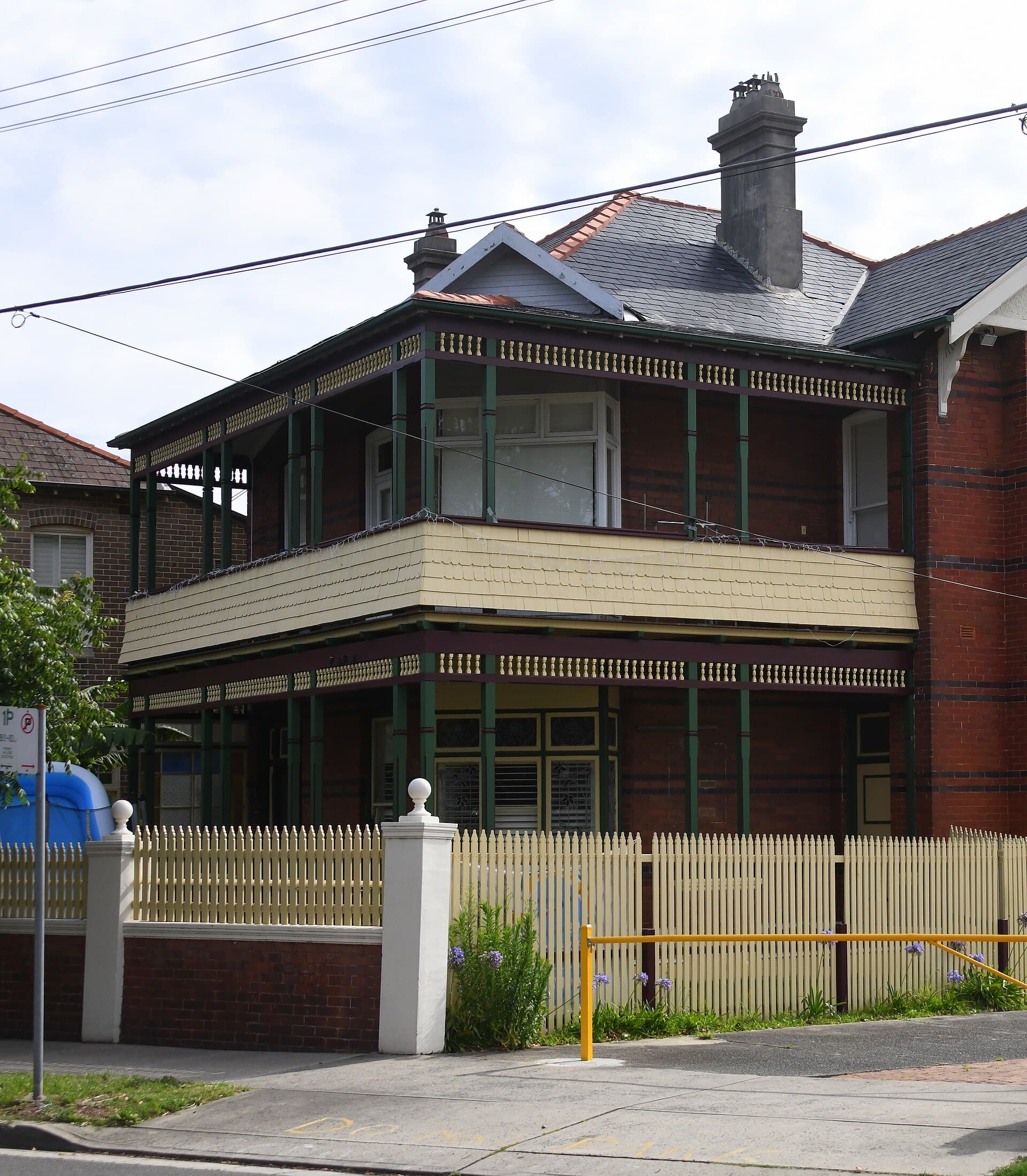
A Victorian or Federation front door is not a style accessory. It is a piece of joinery that has already survived more summers than most of the people specifying its replacement. Four panels, a bolection mould, a highlight that leaks a little, leadlight that turns the hallway gold at four o’clock — this is ordinary Australian fabric from Fremantle terraces to Paddington, Parkville and North Adelaide.
I write this from Sydney, where a heritage overlay can be the difference between a repair and a letter. The overlay is a planning control, not a taste test. The door still has to keep weather and take a lock an insurer will recognise. The rest of our style writing sits with this piece.
What you are actually looking at
Victorian leaves
Victorian Australian doors, roughly the last third of the nineteenth century into the early Federation years, are often four-panel: two small panels over two tall ones, sometimes five or six on a grander house. The stiles and rails are the structure. The panels float, on purpose, so the leaf can move. A bolection or a planted mould casts a shadow that cheap routed MDF cannot copy.
Glazing, when it appears, is usually in the upper panels or in a separate highlight — the fanlight or transom over the door — and in sidelights on a formal entry. The glass may be etched, coloured, or later leadlight. The lock rail is wide enough for a mortice. That width is a gift. Do not throw it away for a narrow contemporary stile.
Federation and the Edwardian cousins
Federation work, and the Edwardian houses that share its verandahs, keeps the four-panel habit and then plays: more glass, casement highlights, Art Nouveau leadlight, a flatter pyramid or a rising sun in the gable that the door is trying to agree with. The entry is often under a verandah deep enough to be useful. That verandah is doing more for the leaf than any modern stain.
Internal doors in these houses are frequently four-panel as well, lighter, sometimes with a rim lock still in place. They should not be replaced with hollow-core moulded leaves if you can still see the house. A reproduction copies the sections and the panel layout. A “Federation-look” warehouse door is a pressed skin with a mould that is almost right. The street can tell.
Heritage overlays, and what they actually control
A heritage overlay, conservation area, or character overlay is a local planning instrument. It is not the National Trust coming to dinner. It typically controls what you can do to the street elevation, sometimes the whole exterior, sometimes interiors of a listed place. Demolishing an original door, altering a highlight, or swapping leadlight for a clear safety pane can need consent.
The practical sequence:
- Read the overlay and any statement of significance before you price a new slab.
- Photograph the existing leaf, the highlight, the sidelights and the hardware. Date the photos.
- Ask the council heritage officer, or a heritage consultant on a listed place, whether repair is required and what a reproduction must match.
- Do not assume a rear door is free. Some controls wrap the building. Many are kinder at the back. Check.
Insurance sits beside planning. A heritage door still wants a deadlock that meets the relevant parts of AS 4145 if the policy asks for one. A rim deadlock on the inside face is often the least visible way to get a bolt. A bright keypad on the lock rail is how you fail both audiences.
Bushfire overlays can sit on the same lot as a heritage overlay. That is an unkind combination. Ember seals, metal screens and BAL glass have to be designed with the old leaf, or a tested doorset that council will accept. Do not guess. The two controls do not repeal each other.
Repair, before anyone mentions a showroom
Most original leaves fail at predictable places.
The bottom rail and the bottom of the stiles rot where rain sits, especially on an in-swing door under a shallow porch. The tenons loosen. The lock stile splits through old keyholes. Paint holds moisture against the end grain. A highlight putty fails and the sash weeps into the head.
A joiner who still thinks in mortice and tenon can scarf a new bottom rail, splice a stile, and rewedge a panel. This is ordinary conservation, not a miracle. It is usually cheaper than a good reproduction once you count the highlight, the leadlight and the architraves you will disturb to hang a different thickness.
Do not plane a binding Federation door in February and call it finished. Timber moves. Find out whether the leaf is wet, the frame is racked, or paint has glued a panel that was meant to float.
Hardware is often reusable. A decent old mortice can be serviced. A ruined one can be replaced with a modern deadlock in the same rebate. Keep honest brass roses if the overlay likes them.
Leadlight, highlights and AS 1288
Leadlight is a panel of cames and glass, not a sticker. Restoring it means a leadlighter: re-cementing, replacing cracked quarries, sometimes re-leading the whole panel. The colours in Federation glass are part of the house. Replacing them with clear float because the hallway is dark is a decision you will live with every afternoon.
Safety is not optional. External glazed doors and sidelights sit under AS 2047 as a window or door, and the glass under AS 1288. Grade A safety glass belongs where a person can walk into it. The usual honest make-ups are:
- The restored leadlight laminated to a safety pane, or captivated with a safety pane on the impact side.
- A new leadlight built as a laminated unit from the start.
- A highlight left as a highlight, not cut out to make a 2100 millimetre contemporary void.
A plastic film with a diamond pattern is not a conservation outcome. If the original glass is gone, a good new leadlight in the right palette is a reproduction, and it can be a fine one.
French pairs on a rear verandah are a Federation habit as much as a modern one. If you are opening the back of the house, French and bifold doors for Australian living is the longer argument. Bifolds on the street elevation of a Victorian terrace are rarely the overlay’s idea of polite.
Reproduction versus a new story
Order a reproduction when the original is past a scarf — powdering from termites, delaminated after a century of paint, or already replaced with something worse. A good maker will want sections, not a photo from the street. Measure the panel margins, the mould profiles, the thickness, the rebate the highlight sits in.
Timber species is a negotiation. The original may be cedar, kauri, or a hardwood you cannot honestly buy. A stable hardwood or a well-made engineered core with a proper timber face can be the right leaf if the sections are right. A foam-core “heritage” door with a foil grain is a costume.
Paint, not a hard oil, is usually kinder on a street elevation. Federation doors were painted. The colour is often controlled, or at least argued, under an overlay. Deep reds, dark greens, cream and the darker Australian Brunswick sorts are the familiar set. A two-pack piano black on a 1908 four-panel is a contemporary house wearing a grandmother’s jewellery.
Hang the new leaf in the existing jamb if the jamb is honest. Changing the thickness without changing the rebate is how you get a proud face and a draught. If the opening must grow for an 820 millimetre clear width under a livable-housing path, that is a design problem for the whole entry — sidelights, highlight, threshold — not a reason to order a 920 millimetre slab and hope.
A restoration sequence that stays calm
Work in this order, even if the painter is impatient.
- Confirm overlays, BAL, and whether the work is repair or a new doorset.
- Record the leaf: photos, sections, hardware, glass.
- Repair if the stiles will take it. Reproduce if they will not.
- Specify the lock as a deadlock an insurer will photograph, in furniture the overlay can live with.
- Make the glass safe under AS 1288 without deleting the leadlight.
- Seal all six edges before hanging. The top and bottom are not optional.
- Keep the verandah doing its job. A shallow, leaking roof will undo a beautiful rail.
A four-panel door is a small piece of climate control and a large piece of the street. Repair the one you have before you buy a smoother one.
Heritage fabric is material that already knows the site. A restored Victorian or Federation door, locked properly, glazed safely, and painted on all six edges, will outlast another generation of warehouse slabs. That is the style argument at its least romantic.
Frequently asked questions
- Can I replace a Federation four-panel door with a modern slab?
- On a house with a heritage overlay, often not without consent. Even without an overlay, a flat slab on a 1910 elevation reads as a missing tooth. Repair or a faithful reproduction is usually the calmer path, and kinder to resale.
- Is original leadlight worth restoring?
- Usually, if the glass is intact enough to read as a window. A good leadlighter can re-cement, re-lead and add a safety-glass make-up to AS 1288. A plastic film printed with diamonds is not leadlight.
- Do I have to use a deadlock that looks old?
- You have to satisfy the lock and, often, the insurer. A mortice deadlock with quiet roses, or a rim deadlock on the inside face, will usually sit under an overlay more happily than a chrome keypad. Check the control before you order the furniture.
- French doors on a Victorian rear addition — original or allowed?
- Rear work is often the place a council will accept a contemporary opening. A French pair can still be the quieter neighbour to the old house. See our note on French and bifold doors; bifolds on the street elevation are a different argument.
Keep reading
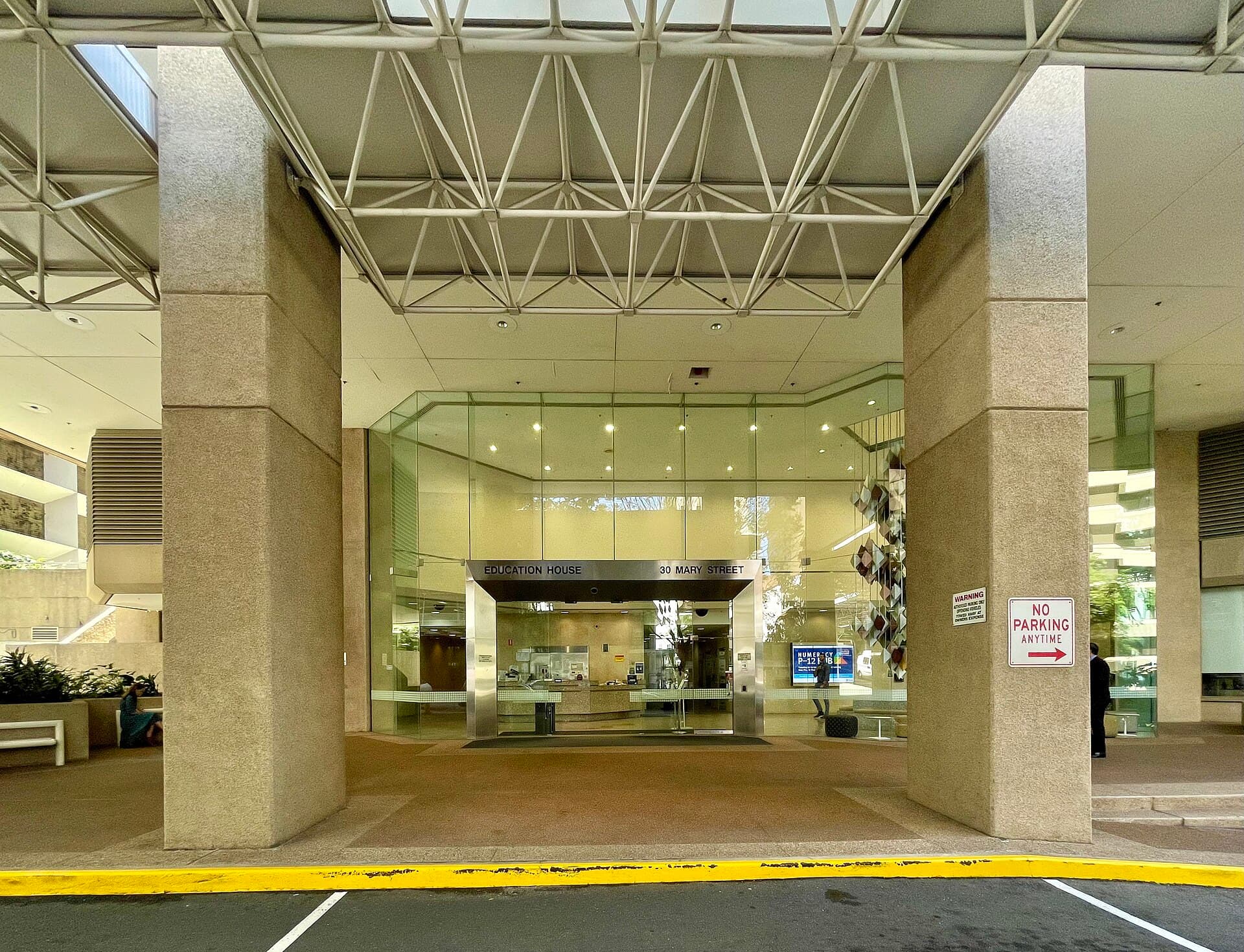
Contemporary Australian entry design
Pivot blades, recessed porches and the lighting of a house number — how a contemporary Australian front door balances privacy, weather, BAL and the street.
Priya Nair · 10 July 2025
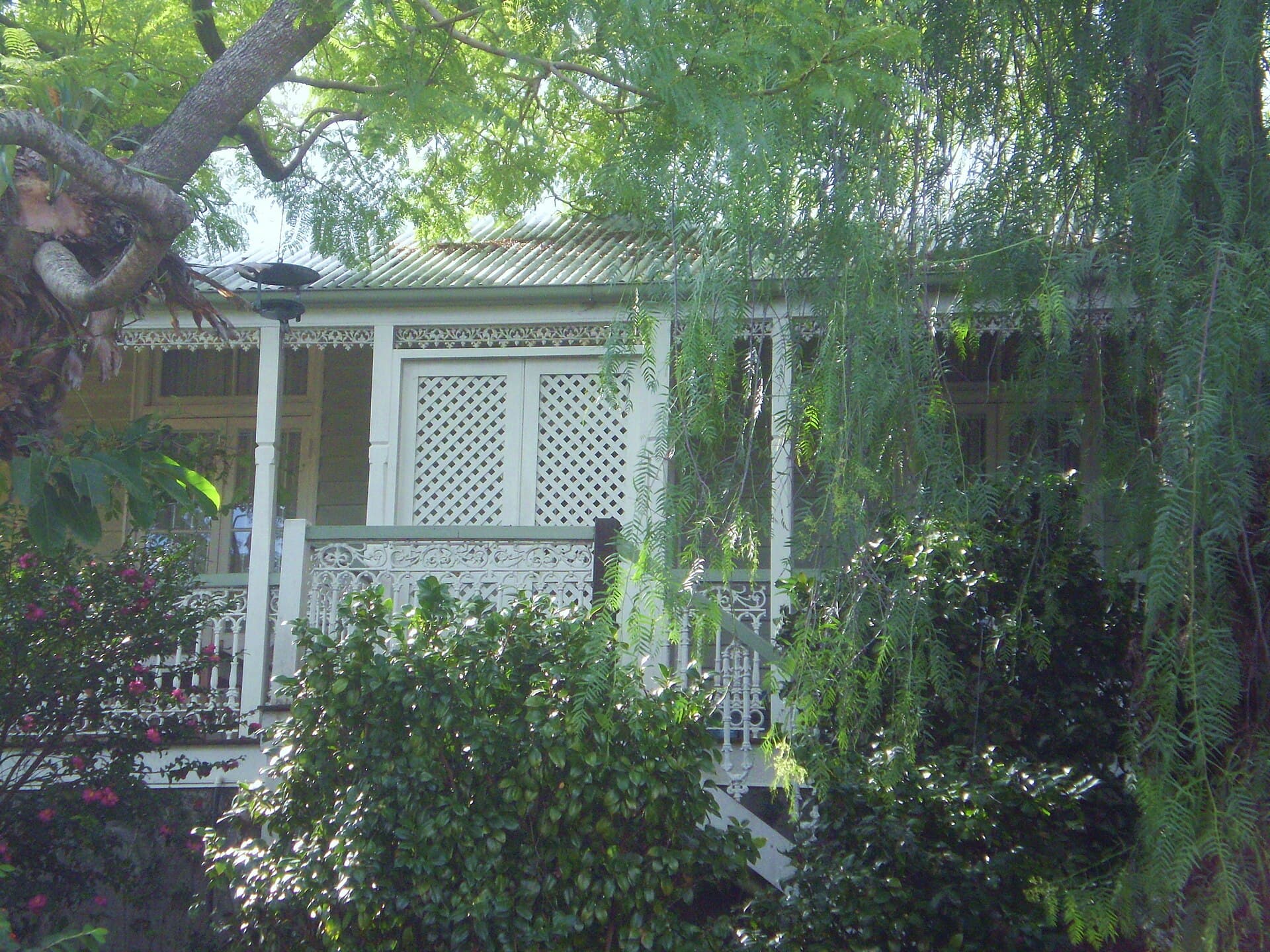
Queenslander lattice and screen traditions
Lattice, hopper windows and screen doors on a high-set verandah — how Queensland houses manage airflow, termites, salt and the habit of living outside the hall.
Priya Nair · 15 May 2025
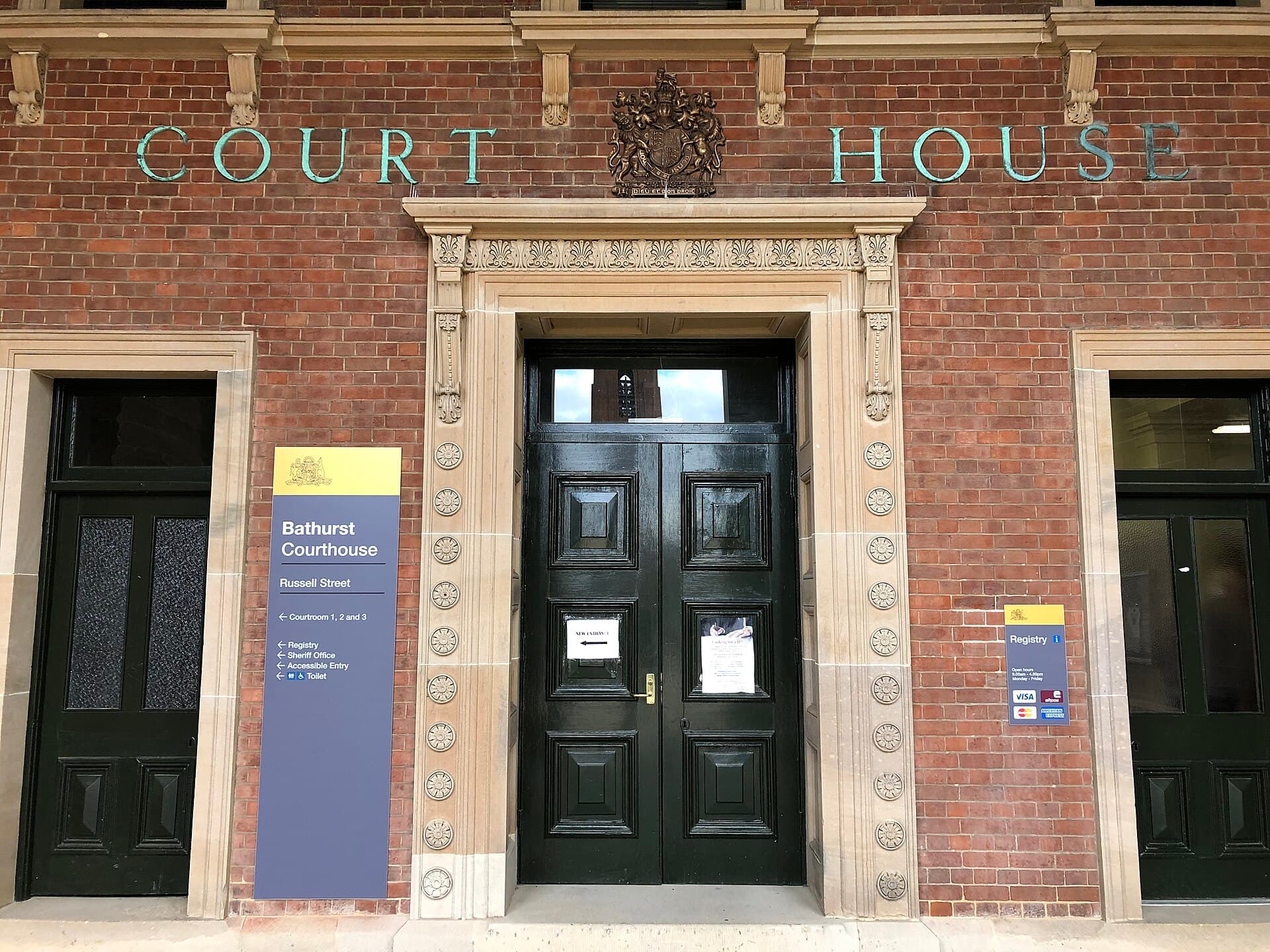
When to repair or replace a front door
Rot, delamination, failed seals and heritage value — the cost crossover where an Australian front door stops being a repair and starts being a doorset.
Door Sales editorial · 6 November 2025