Internal doors, sizes, styles and costs
Australian internal doors still live in a 2040 millimetre world. Choose size, core and finish for the room, not for the showroom photograph.
Elena Vukovic · Building editor · 9 April 2025 · 7 min read
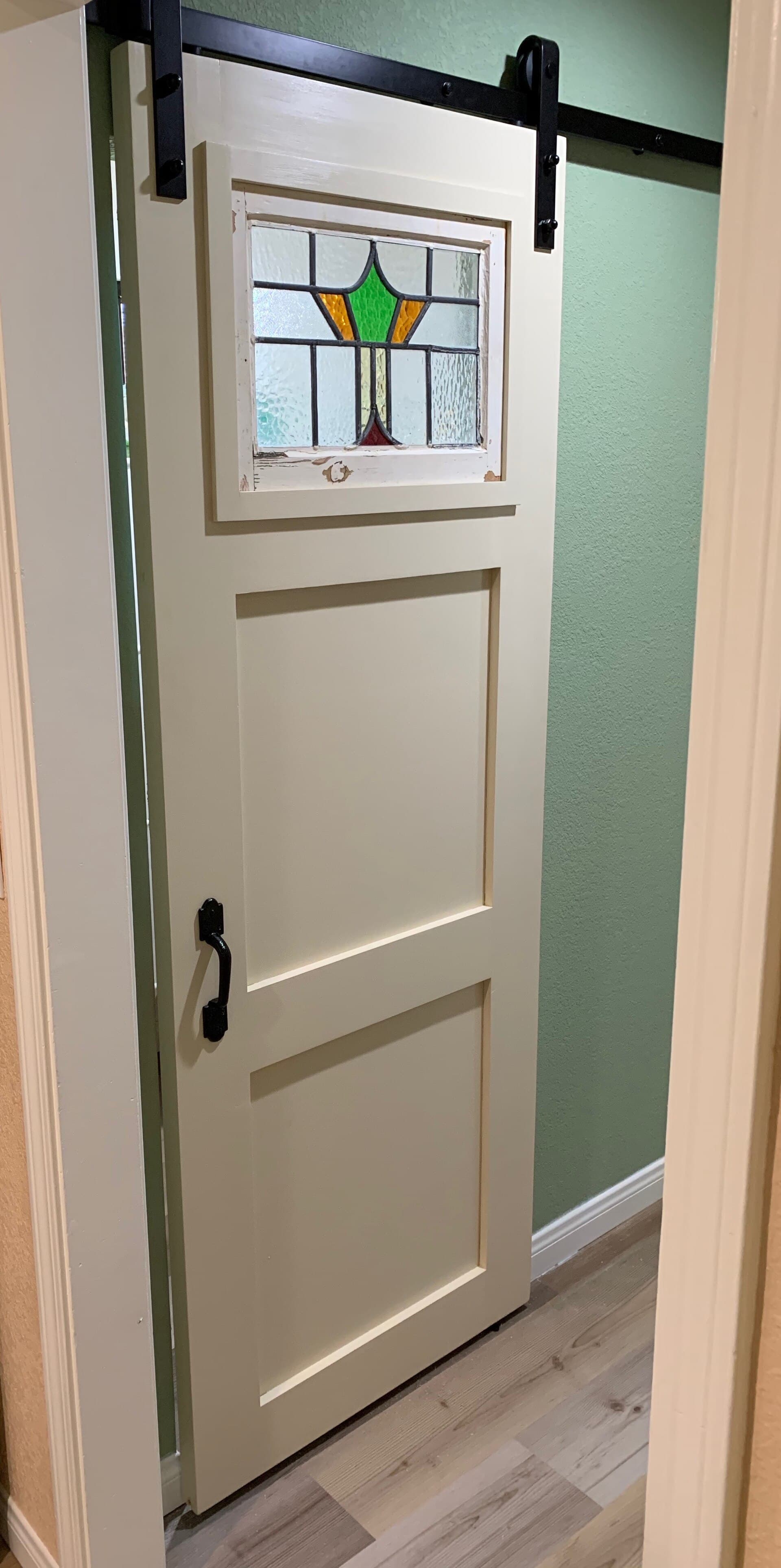
Internal doors are the unglamorous majority. A house may have one entry that everyone photographs and fourteen leaves that get kicked by school bags. Buy the internals as a set, not as fourteen separate moods.
Australian joinery still runs on a few standard sizes, a handful of cores, and a finish that is either paint or veneer. The rest is circulation, acoustics and whether you have room to swing a leaf.
The sizes that actually turn up
Walk a 1970s brick veneer or a project home from last year and you will meet the same numbers.
- Height: 2040 millimetres is still the default. 2100 is common in newer work.
- Width: 820 millimetres is the ordinary internal. 770 and 720 millimetres are ensuite, pantry and laundry widths. 870 and 920 millimetres appear on living-room pairs and some accessible paths.
- Thickness: 35 millimetres on many hollow-core leaves, 40 millimetres on better solid-core and fire-rated doors.
A 720 millimetre leaf in a 90 millimetre stud wall, after hinges and a stop, does not leave a 720 millimetre clear opening. If someone uses a frame, or you are planning for ageing in place, the clear width is the number that matters. That conversation belongs with the NCC access provisions and AS 1428.
Measure height at both jambs. Older houses settle. A 2040 door in a racked opening will bind at the head on one side and show a wedge of light on the other. Packing the jamb is cheaper than ordering a custom leaf you do not need — unless the opening is already a 2100 hole with a 2040 door and a filler strip that everyone can see.
Hollow core, solid core and the noise between rooms
Hollow-core doors are cardboard or timber lattice in a light frame, skinned with hardboard or MDF. They are cheap, easy to hang, and they sound like what they are when you close them. For a linen cupboard or a guest bedroom at the quiet end of the house they are entirely reasonable.
Solid-core and semi-solid leaves use particleboard, timber staves or a denser engineered core. They take a lock better, they take a slam without ringing, and they give you something closer to privacy. The difference is obvious in a home office that faces a kitchen.
If you are deciding how a door is built, not just how it is painted, read the longer note on solid timber, engineered and hollow-core construction. The short buying rule for internals is: hollow where you only need a leaf, solid where you need a barrier.
Acoustic performance is a specification, not a vibe. A solid door in a badly sealed jamb still leaks television. For apartments and rooms that have to work as offices, the dedicated piece on acoustic doors for apartments and home offices is the better brief. At buying stage, assume you need a heavier leaf, a proper stop, and seals — and that a $90 hollow-core door will not become quiet if you add a towel at the sill.
Paint grade and veneer
Paint-grade doors are the default of Australian interiors for a reason. They hide patches, they take a colour change, and they do not mind a cricket bat. A smooth flush leaf or a simple moulded panel both work. Moulded “colonial” skins can sit quietly in a weatherboard cottage. In a 1960s cream-brick they often look like a costume.
Veneer — oak, walnut, even a stained meranti — wants consistent light and a family that will not tape posters to it. Edge-band the top and bottom if the leaf lives in a humid bathroom corridor.
A few practical finish notes:
- Prime all six sides before hanging if the door arrives raw. The top edge is the one everyone forgets.
- In a wet tropical or coastal house, an MDF skin will swell if it is cut and left unsealed.
- Two-pack or a good water-based enamel on a flush door will outlast a cheap builder’s paint that marks when you look at it.
- Matching an existing 1990s moulded door is often easier than mixing one “feature” veneer leaf into a painted run.
A four-panel Victorian door that has lost its top rail to a cat-flap is a restoration, not a $140 special. Do not replace a houseful of original leaves with flush hollow-core because they were on a pallet.
When the swing is the problem
A 820 millimetre door needs a clear swing. In a small bedroom, a robe or a powder room, that swing eats the plan. This is why cavity sliders exist.
A cavity unit hides the leaf in the wall. You lose the ability to hang a dressing gown on the door, and you must keep plumbing, noggings and electrical out of the pocket, but you gain the floor. The installation brief is in cavity sliding doors and space-saving openings. At buying stage, know that a cavity slider is a wall product as much as a door product. You order the unit with the frame, not a leaf to improvise later.
Surface-sliding barn doors need a clear wall, they leak sound and light, and they do not give privacy in a bathroom. Use them on a pantry if you enjoy the hardware. Do not use them as a substitute for a cavity on an ensuite.
Hinged pairs on a living-room opening still make sense. They need a level head. A pair of 720s is not a 1440 clear opening once stiles and a meeting bead are counted.
Privacy, wet areas and special rooms
Bedrooms want a lock or a snib that a child cannot defeat from the wrong side. That affects stile width. A cheap cylindrical lock in a hollow-core door will loosen.
Bathrooms need a leaf that can tolerate steam. A fully sealed paint-grade door beats an unsealed veneer. Leave a sensible undercut for ventilation unless you have a proper exhaust — then do not leave a 20 millimetre gap under a “privacy” door.
Laundry doors that open onto a garage may be on a fire-rated path. Do not swap a tagged fire door for a moulded hollow-core because the paint matched.
Home offices and media rooms are acoustic rooms first.
What it costs, as ranges
Prices below are supply-only ranges in Australian dollars. They move with MDF, freight and whether you are in a capital city or a regional yard.
- Hollow-core paint-grade, 2040 × 820: about $80 to $250.
- Better moulded or semi-solid paint-grade: about $180 to $400.
- Solid-core paint-grade or a decent veneer: about $250 to $800.
- Cavity slider unit with leaf, single: often $400 to $1,500, more for a double or a soft-close system.
- Acoustic or fire-rated internal: commonly $600 to $2,000 depending on the rating.
- Hanging, including hinges and a passage set, per ordinary door: often $120 to $250 labour, more if the jamb is new.
- Painting, both sides plus edges: budget as a room, not as a $15 extra.
A house with sixteen internals can look inexpensive on a per-door quote and expensive on the invoice. Decide the core standard once and buy as a package.
Hardware and the small clearances that matter
Hinges on a hollow-core door can be light. Hinges on a solid 2100 leaf should not be. Two hinges will sag; three is ordinary.
Passage sets are where interiors get noisy. A $15 set will rattle. You need a latch that returns and a finish that survives hands. In a coastal or humid house, even internal hardware will pit if it is the lowest zinc in the catalogue.
Clearances:
- 2 to 3 millimetres at the sides and head is a common aim on a painted internal.
- The undercut depends on flooring. Carpet needs more than a timber floor. If you hang doors before the floor goes down, record the finished floor level or you will be back with a saw.
- Stops should meet the face, not leave a light line at the latch.
The best internal door in the house is the one nobody has to think about when their arms are full.
A calm specification
Write one schedule for the whole house. Height, width, core, finish, handing, hardware function. Note which openings are cavity sliders, which are pairs, and which sit on a fire or access path. Then buy.
The temptation is to upgrade the hallway leaf that guests see and cheapen the bedrooms. Guests do not live in the bedrooms.
If you are replacing a run of tired 1980s moulded doors, matching the remaining originals is kinder than one glossy imported slab.
Internal doors are a system of sizes, cores and swings. Get those three right and the style question becomes almost easy.
Frequently asked questions
- What are the standard internal door sizes in Australia?
- The common leaf is 2040 millimetres high by 820 millimetres wide. 770 and 720 millimetre widths suit ensuites, laundries and tight halls. Newer houses often use 2100 millimetre heights. Always measure the finished opening.
- How much do internal doors cost?
- These are ranges. A hollow-core paint-grade leaf is often $80 to $250 supply-only. A solid-core or better veneer door is more like $250 to $800. Cavity sliders, acoustic leaves and custom heights sit above that, and hanging plus painting is extra.
- Hollow core or solid for bedrooms?
- Hollow core is light, cheap and fine for a quiet spare room. Bedrooms that need privacy, a lock, or less hallway noise do better with a solid or semi-solid core. Weight also helps a door stay true on a tall 2100 leaf.
- Do internal doors need to meet the NCC?
- Most everyday bedroom doors do not carry a fire rating. Doors on a garage-to-house opening, some laundry and wet-area details, and any required accessible path do. Clear opening width and thresholds matter when AS 1428 or the NCC access provisions apply.
Keep reading
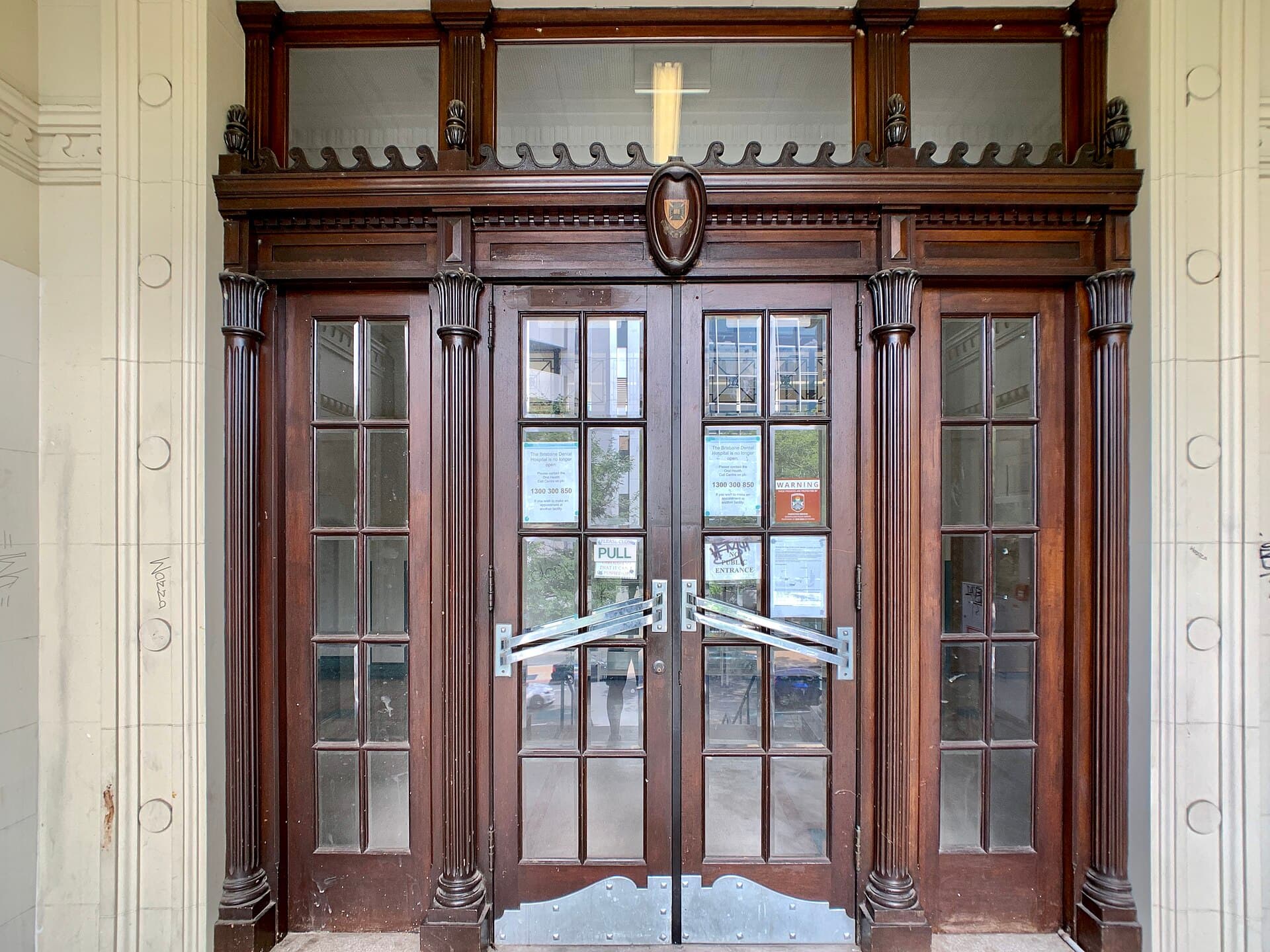
Fire doors for Australian homes and units
A fire door is a tested doorset under AS 1905.1, not a heavier internal leaf. The tag, the closer and the seals are the product.
Marcus Chen · 30 September 2025
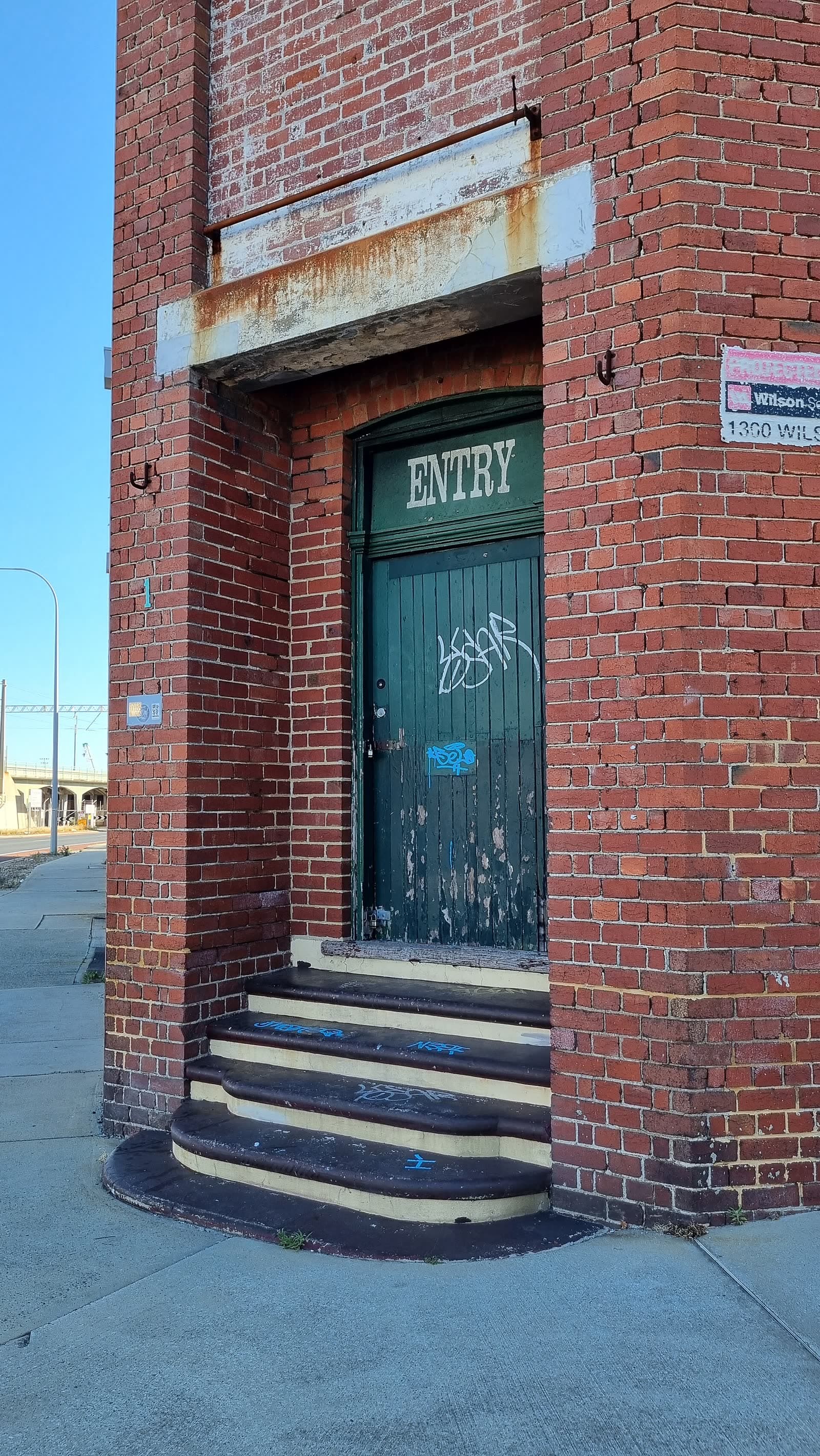
Security screen doors that actually work
A security screen is mesh, frame, hinges and a lock that an insurer will recognise. 316 stainless and a diamond grille are not the same product as a flywire door with a key.
Tom Ashford · 19 August 2025
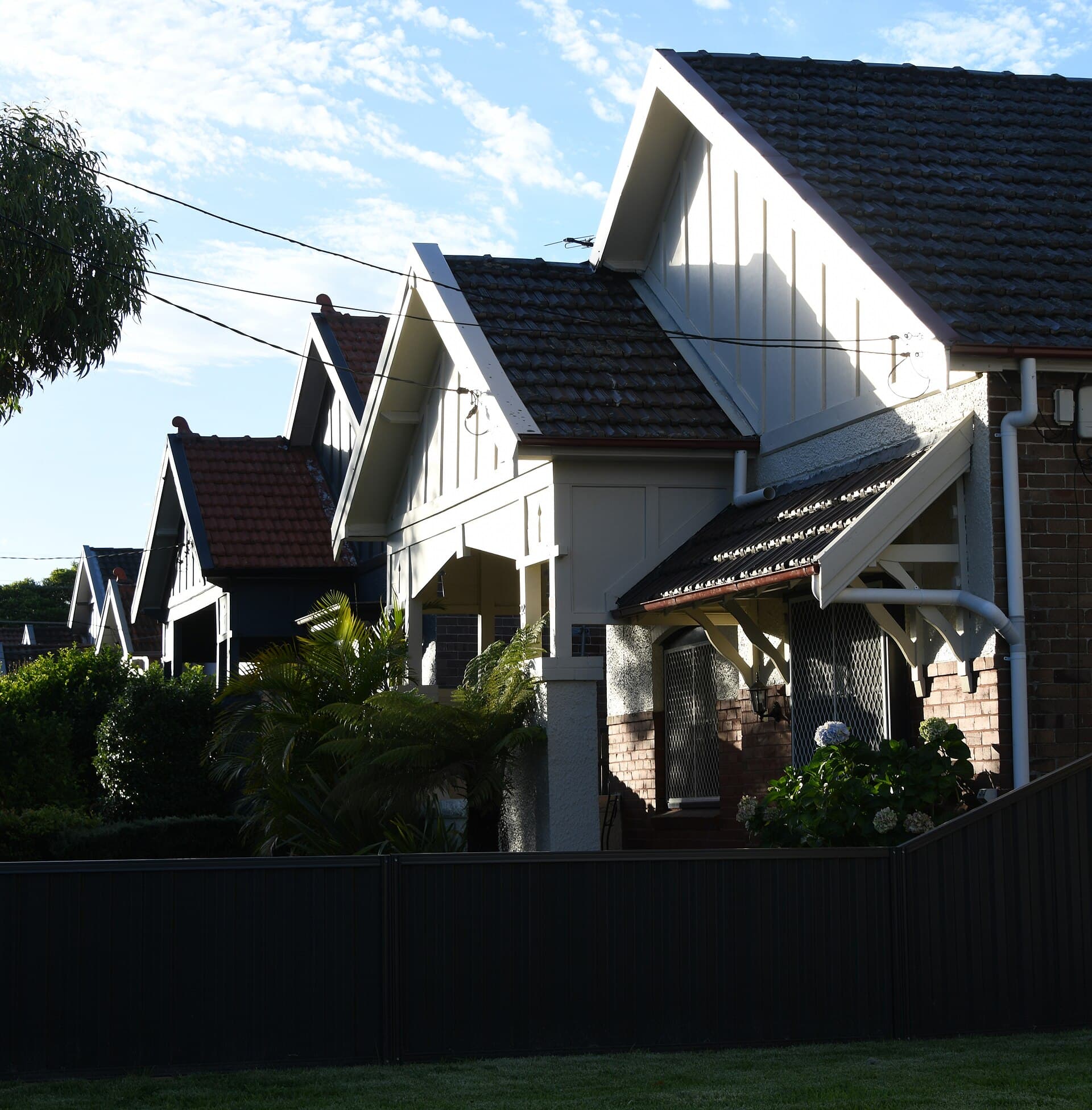
French and bifold doors for Australian living
French pairs and bifolds both open a room to the garden. They ask different things of the weather, the flyscreen and a heritage streetscape.
Priya Nair · 22 July 2025